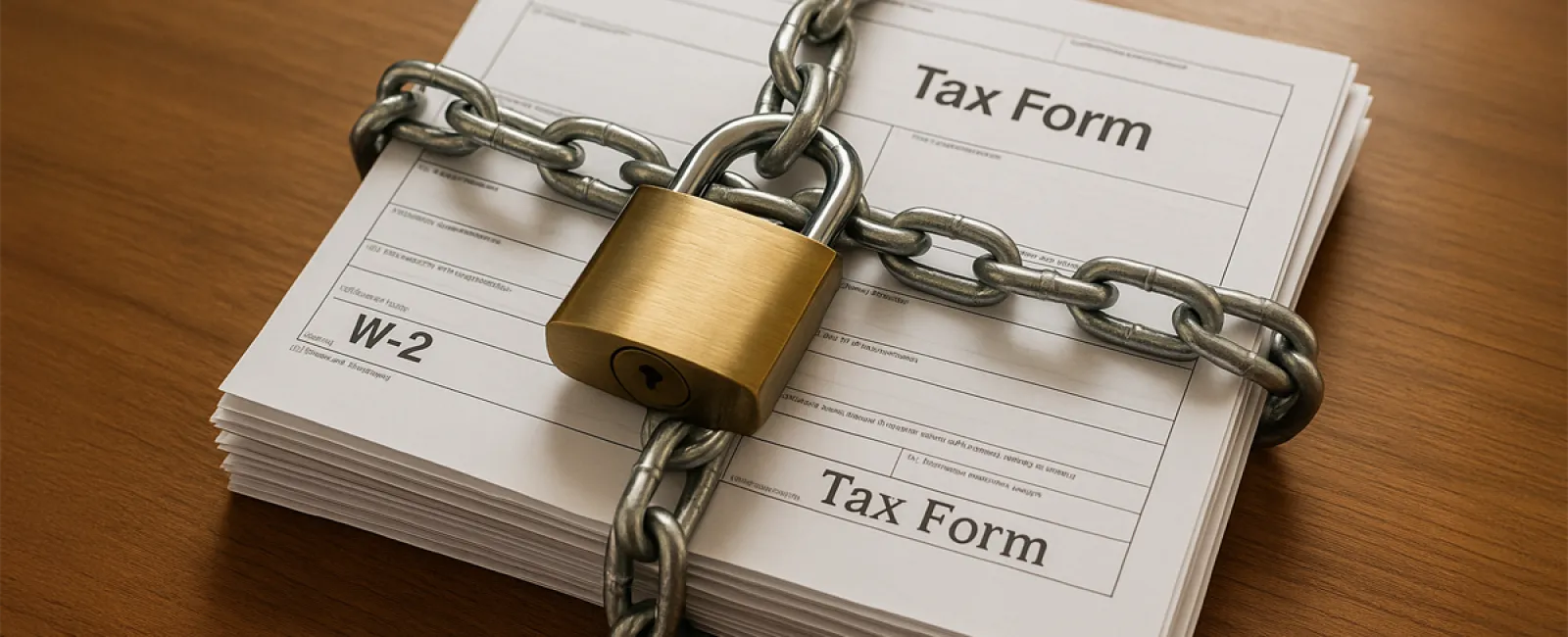
February signals the start of tax season — your accountant's calendar is filling fast, and your bookkeeper is busy gathering documents. The focus? W-2 forms, 1099s, and looming deadlines.
But what many don't anticipate is a common tax season trap: a scam that often strikes before April.
This scam is surprisingly convincing and targets small businesses directly—chances are, it's already lurking in someone's inbox at your company.
Understanding the W-2 Scam Mechanism
The scam unfolds like this:
An employee responsible for payroll or HR receives an email seemingly sent by the CEO, owner, or a top executive.
The email is brief and urgent:
"I need copies of all employee W-2 forms for an upcoming accountant meeting. Please send them ASAP—I'm swamped today."
Everything about the message feels legitimate: the tone, the urgency, and the timing during tax season.
Consequently, the employee complies and forwards the W-2s.
But in reality, the email is forged—sent by a fraudster using a spoofed address or a deceptive domain.
With this information, the scammer gains access to every employee's:
• Full legal name
• Social Security number
• Home address
• Salary details
This data is a goldmine for identity theft and fraudulent tax filing, potentially occurring before your staff submit their legitimate returns.
The Aftermath: What Victims Face
Typically, your employees discover the fraud when their tax returns are rejected due to a prior filing under their Social Security number.
Someone else has stolen their identity, claimed their refunds, and vanished with the money.
Now, your employee is caught up in IRS disputes, credit monitoring, identity theft protection, and a lengthy paperwork ordeal—all stemming from an unauthorized document they inadvertently handed over.
When multiplied across your entire payroll, it's a catastrophic breach of trust, creating serious HR challenges, legal exposure, and potential damage to your company's reputation.
Why This Scam Is So Effective
This isn't your classic, easily identifiable scam email.
It succeeds because:
• The timing is spot on—since W-2 requests are common in February, the email raises no suspicion.
• The request sounds reasonable—no unrealistic demands, just something expected during tax preparation.
• The urgency feels genuine—"I'm overwhelmed today, please send quickly" fits a busy office environment.
• The sender appears authentic—fraudsters research your company thoroughly, using real names and mimicking legitimate email addresses.
• Employees naturally want to help, especially the boss, so they act quickly without verifying.
Essential Steps to Shield Your Business
The good news is you can stop this scam before it damages your business with straightforward policies and a vigilant culture.
Implement a strict "no W-2 transmission via email" policy—no exceptions. Sensitive payroll documents should never leave your organization as email attachments. If requested by email, the answer is an unequivocal "no," even if it appears to come from top leadership.
Always verify sensitive requests through a different communication channel: a phone call, face-to-face conversation, or instant messaging. Use contact details you already have on file—not those provided in the suspicious email. These quick checks take seconds but can prevent months of damage.
Schedule a 10-minute team briefing immediately—not later—to explain this scam's signs and your response plan. Prepping your payroll and HR staff now is invaluable insurance.
Secure your payroll and HR software with multi-factor authentication (MFA) to fortify any system handling employee data. MFA safeguards against unauthorized access even if credentials get compromised.
Encourage a culture where verification is praised. Employees who double-check unusual requests should be recognized—not reprimanded. When skepticism is rewarded, scams get squashed.
These five simple rules are easy to adopt immediately and powerful enough to intercept initial scam attempts.
Looking Ahead: The Broader Threat Landscape
The W-2 scam is just the beginning. Prepare for a surge of tax season fraud tactics, including:
• Fake IRS notices demanding money
• Phishing emails disguised as tax software upgrades
• Spoofed emails from "your accountant" containing malicious links
• Falsified invoices mimicking legitimate expenses
Tax season is prime time for fraudsters because the hustle often distracts businesses from checking every request thoroughly.
Companies that navigate tax season without incident aren't lucky—they're prepared. They have clear policies, employee training, and effective systems that flag suspicious activities before they escalate.
Is Your Organization Prepared?
If your business has policies in place and your team recognizes these red flags, you're already ahead of many small businesses.
If not, now is the critical moment to act—before you become a victim.
Consider booking a 15-minute Tax Season Security Check. Together, we'll assess:
• Payroll and HR system access controls and MFA
• Your current W-2 authorization protocols
• Email defenses against spoofing
• One crucial policy adjustment many businesses overlook
Not ready yet? No worries—maybe you know a business owner who needs this. Share this article and help protect them from an expensive tax season pitfall.
Click here or give us a call at 978-664-1680 to schedule your free 15-Minute Discovery Call.
Because tax season is challenging enough without the burden of identity theft added on.