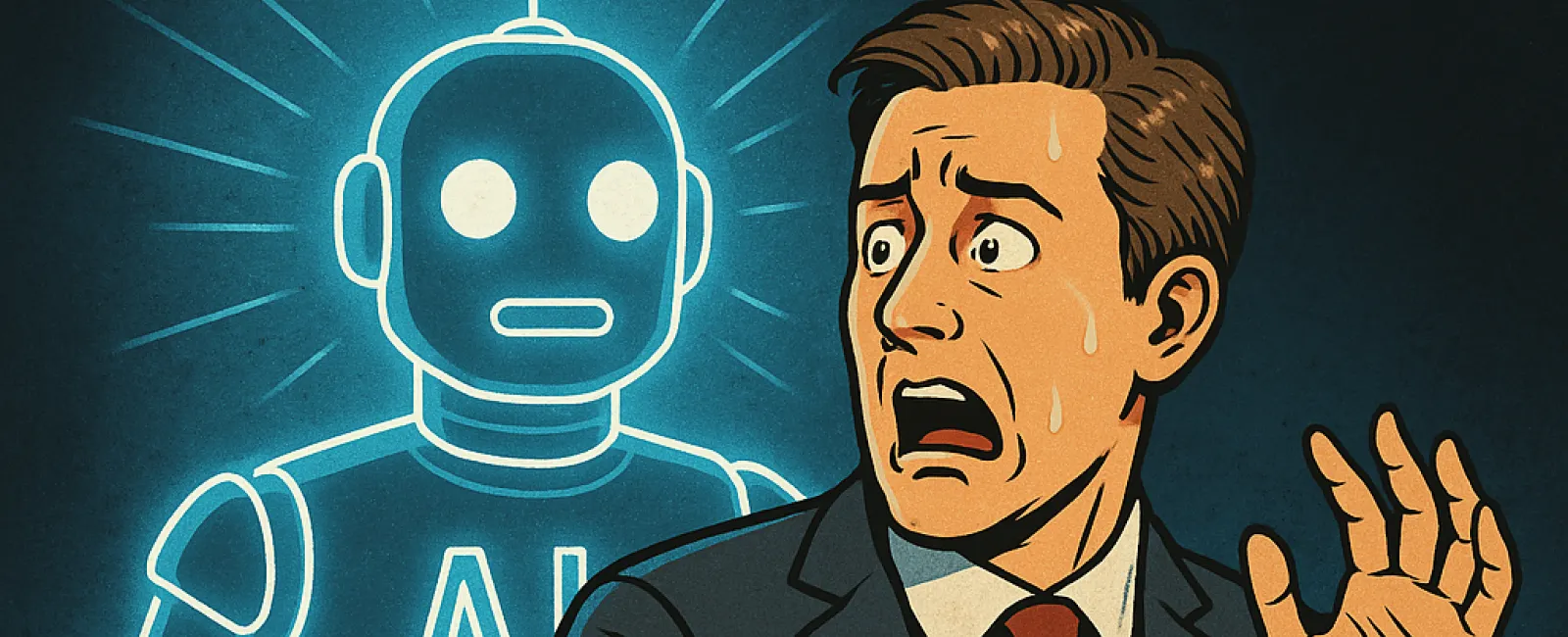
Artificial Intelligence is evolving at an unprecedented pace, revolutionizing the way businesses operate. While this technological leap is thrilling, it also raises concerns since cybercriminals have equal access to powerful AI tools. Let's illuminate some of the hidden threats lurking in the shadows of AI advancement.
Doppelgängers in Your Video Conferences: Beware of Deepfake Scams
The sophistication of AI-generated deepfakes has escalated dramatically, with attackers exploiting them to launch highly convincing social engineering schemes against organizations.
For instance, a security firm recently reported an incident where an employee at a cryptocurrency foundation encountered multiple deepfake images of their company's top executives during a Zoom call. These synthetic leaders encouraged the employee to install a Zoom extension to enable microphone access, which ultimately facilitated a cyber breach linked to North Korea.
To defend your business, it's crucial to rethink traditional verification methods. Stay vigilant for warning signs like unnatural facial features, prolonged pauses, or unusual lighting conditions during video interactions.
Unwelcome Guests in Your Inbox: Guard Against AI-Powered Phishing Emails
Phishing emails have long plagued organizations, but AI has supercharged attackers by creating sophisticated emails devoid of common indicators like poor grammar or spelling mistakes.
Furthermore, cybercriminals now incorporate AI-driven translation tools within their phishing kits, enabling rapid deployment of fraudulent messages across multiple languages and broadening their reach.
Despite these advances, tried-and-true defenses remain effective. Implementing multifactor authentication (MFA) significantly reduces risk, as attackers rarely control external devices needed for verification. Comprehensive security awareness training empowers employees to recognize critical red flags, such as urgent requests or unusual messaging tones.
Fake AI Applications: More Harm Than Help
Exploiting the AI trend, malicious actors promote counterfeit AI tools designed to deceive and infect users with malware. These fake applications often blend legitimate software elements with harmful code to appear credible.
A recent case involved a TikTok account sharing videos on bypassing app licensing for tools like ChatGPT using PowerShell commands. This campaign was unveiled as a malware distribution operation by cybersecurity researchers.
Maintaining strong security protocols is vital. Always consult with your managed service provider before installing any new AI tools to ensure their safety.
Is Your Business Ready to Exorcise AI Threats?
AI presents new challenges, but with strategic defenses, you can keep your business protected from deepfakes, AI-enhanced phishing, and malicious tools. Stay one step ahead of cyber threats.Click here or contact us at 978-664-1680 to arrange your complimentary 15-Minute Discovery Call. Let's discuss how to shield your team from AI-driven risks before they escalate.